Black History: Special Delivery!
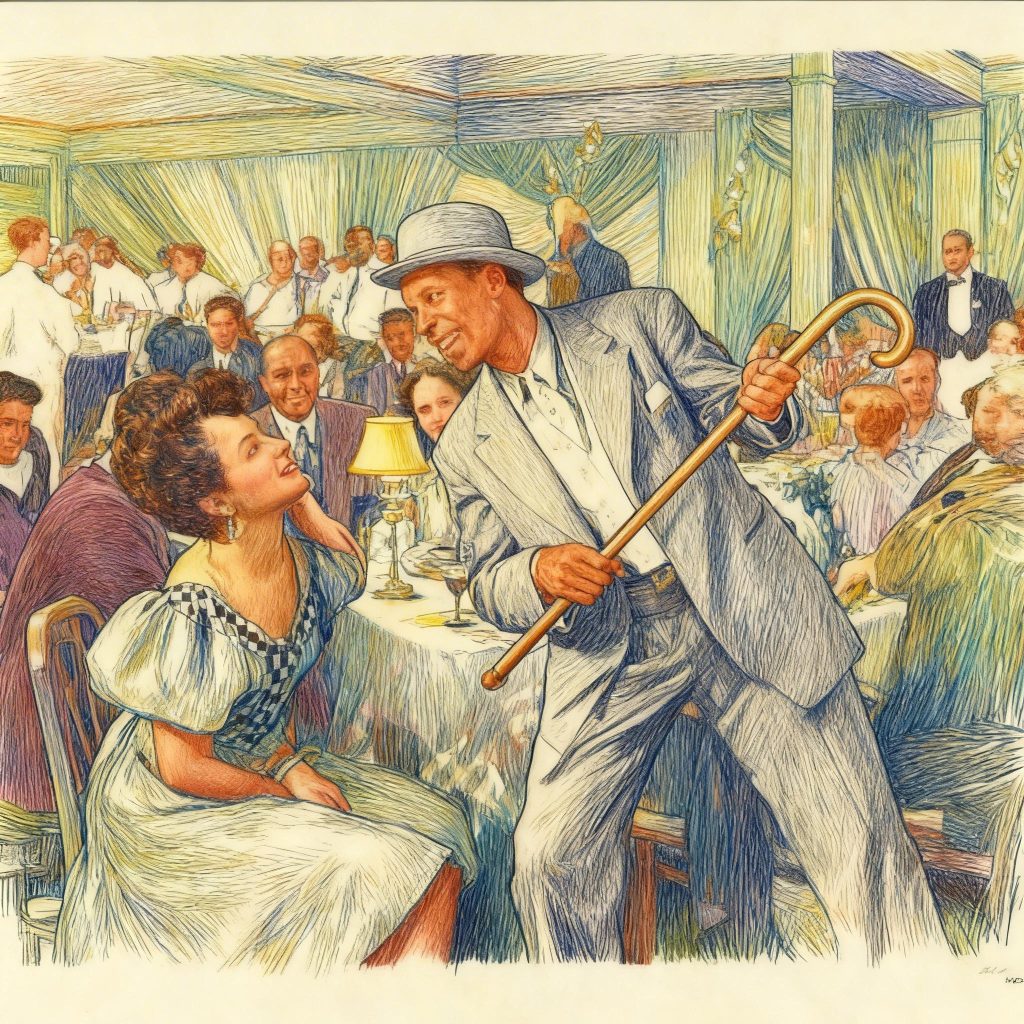
Tap dancing didn’t look or sound the same after John W. “Bubbles” Sublett came along.
Born in Louisville, Kentucky, in 1902, Bubbles began performing at just seven years old after boldly telling theater performers he could sing better than they could. That confidence earned him his first opportunity onstage and set the direction for his life. As a child, he balanced performing with odd jobs, working as a batboy, dishwasher, and even hauling coal with the help of his pet goat.
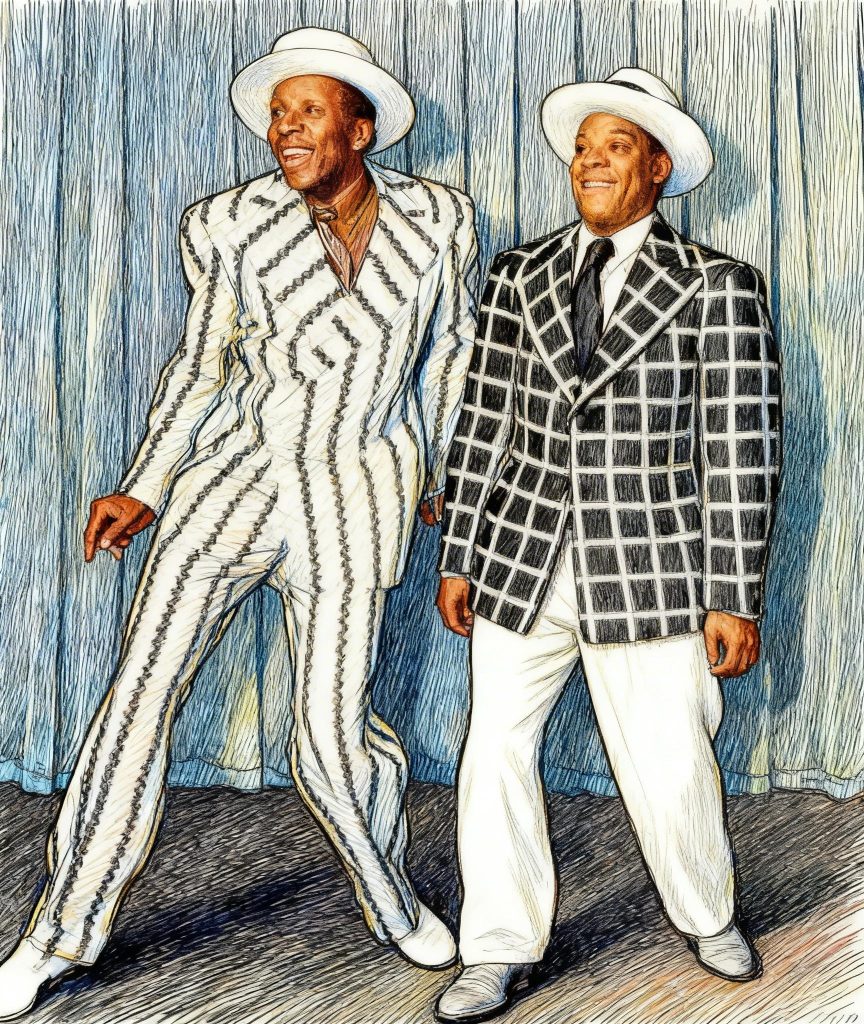
At age ten, he partnered with Ford “Buck” Washington, forming the duo Buck and Bubbles. Buck played piano while Bubbles sang and danced, and together they rose quickly through the vaudeville circuit. In 1922, they headlined the Palace Theatre in New York, one of the most prestigious venues in the country. During a time when most Black performers were limited to the segregated TOBA circuit, Buck and Bubbles crossed into major white vaudeville houses. They later became among the first Black performers to appear at Radio City Music Hall and on early television broadcasts.
Their success unfolded during the height of Jim Crow segregation. Touring meant navigating racial barriers, limited accommodations, and an entertainment industry structured by discrimination. While Bubbles did not often publicly describe specific racist incidents, his career developed within systems that routinely restricted Black artists. Performing on those stages was itself a breakthrough.
Still, Bubbles’ greatest legacy was not just where he performed, but how he performed.
Early tap dancing emphasized light, upright footwork performed mostly on the balls of the feet. Bubbles began experimenting with a more grounded approach. After being laughed at during an early appearance at Harlem’s Hoofer’s Club, he spent time refining his craft. When he returned, he introduced a rhythm-heavy style that emphasized dropping the heels on offbeats and layering complex syncopated sounds. That approach became known as rhythm tap.
He did not repeat himself from show to show. Bubbles once explained that if he had four performances, he would do a step four different ways. He constantly reshaped movements so they could not easily be copied. His feet became instruments, creating intricate rhythmic patterns that pushed tap beyond novelty entertainment and into serious musical expression.
Gregory Hines, who helped revive tap for new audiences in the late 20th century through film and Broadway, openly honored the masters who came before him, including Bubbles. Hines carried rhythm tap into mainstream spaces while preserving its improvisational and jazz-rooted foundation. Check out this video from Gregory Hines.
Savion Glover represents another generation of that lineage. Known for his powerful, percussive style and deep musicality, Glover expanded rhythm tap while staying rooted in the grounded heel work and syncopation Bubbles pioneered. Through artists like Hines and Glover, rhythm tap remains both evolving and connected to its origins.
Buck and Bubbles went on to appear in Broadway productions such as Porgy and Bess and in films including Cabin in the Sky (1943) and A Song Is Born (1948). After Buck’s death in 1955 and a stroke that left Bubbles partially paralyzed in 1967, Bubbles lived quietly until his passing in 1996.
Today, when a tap dancer drops their heels into the floor, builds a syncopated phrase, or improvises in conversation with music, they are working within a tradition Bubbles helped shape.
Another installment of Melenated Mail has been delivered. Ponder, reflect, and pass it on.