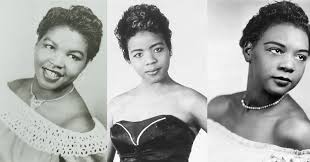
Long before women’s wrestling headlined arenas and television screens, three Black sisters were already transforming the sport. Babs Wingo (1937–2003), Ethel Johnson (1935–2013), and Marva Scott (1937–2003) were pioneers who competed during segregation, broke racial barriers, and endured hostility that would have forced many others out of the ring.
Born in Decatur, Georgia, to Gladys Chase and Clifford Wingo, the sisters moved north to Columbus, Ohio, while still young to escape the Jim Crow South. Jim Crow laws enforced racial segregation and discrimination across the United States. Even after leaving the South, racism remained embedded in American institutions, including professional sports.
As teenagers, Babs, Ethel, and Marva entered professional wrestling, an industry that was not built for Black women. They quickly made an impact. They filled arenas, drew crowds, and introduced innovative techniques that helped redefine women’s wrestling.
The Wingo Sisters are often credited with pioneering the standing dropkick and a high-flying head scissors maneuver. These moves were groundbreaking in the 1950s and 1960s, especially for women’s wrestling, which was often limited by narrow expectations. Their athleticism, speed, and boldness challenged assumptions about what women in the ring could do.
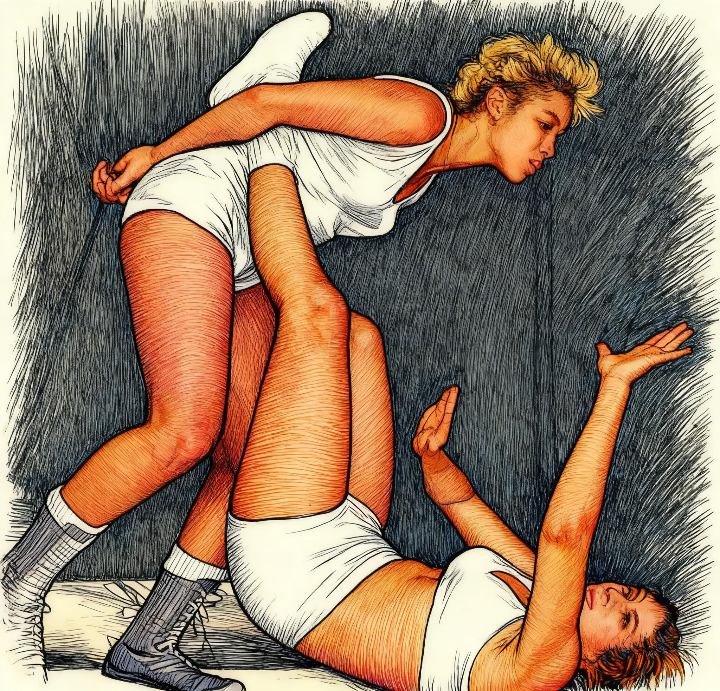
They frequently performed as “heels,” or villain characters. As heels, their role was to break rules, taunt opponents, and provoke emotional reactions from the crowd. During the 1950s through the 1970s, many fans did not separate performance from reality. When you combine that intensity with racism and sexism, the results could be dangerous.
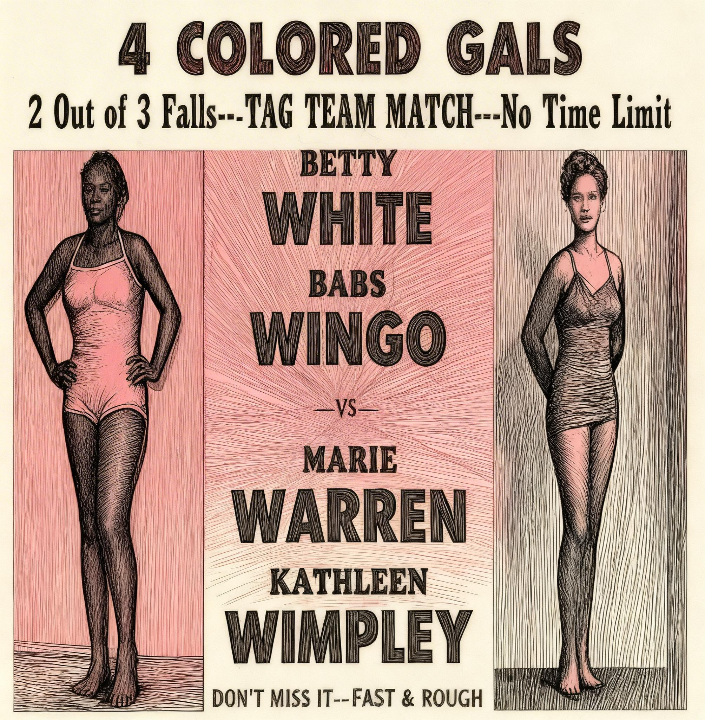
Racism shaped nearly every aspect of their careers. They were often refused proper accommodations and forced to eat and drink in segregated areas, sometimes in poor conditions. Black women’s divisions and titles were separated from white talent, limiting where and how they could compete. Their opportunities were restricted not because of skill, but because of race.
The hostility was not only structural. It was personal and, at times, violent.
At one show in Missouri, Black fans were refused entry. Instead of performing for a divided audience, the sisters packed up and left in solidarity. It was a clear statement that they would not entertain exclusion.
In other places, the threats escalated. In Mexico and Japan, they faced violent crowds and intimidation connected to organized crime. Babs was injured when a fan attacked her with a piece of glass. Marva was reportedly threatened with being thrown from a skyscraper if she refused to lose a match. On another occasion, a police officer pulled a gun on Babs. Their safety was often at risk, not just because they played villains, but because they were Black women performing in hostile environments.
Still, they persevered.
By the time women’s wrestling gained broader mainstream attention in the 1980s and 1990s, with stars like Wendi Richter, Jacqueline Moore, and Jazz, the groundwork had already been laid. Today, performers such as Naomi and Sasha Banks carry forward a legacy shaped by the risks the Wingo Sisters took decades earlier.
Their contributions were eventually recognized with posthumous induction into the Women’s Wrestling Hall of Fame. Yet their legacy extends beyond awards. They challenged segregation inside and outside the ring. They expanded the possibilities for women’s athletic performance. They demonstrated resilience in the face of discrimination and danger.
To explore their story more deeply, take the interactive quiz embedded below. This Genially experience invites you to test your knowledge of their milestones, challenges, and lasting impact.
Another installment of Melanated Mail has been delivered. Ponder, reflect, and pass it on.