Black History: Special Delivery!!

"Peace for me is not the absence of war. Peace is the presence of conditions that give dignity to all of us."
— Leymah Gbowee
For Leymah Gbowee (pronounced: LAY-muh Buh-WEE), peace was never just about ending violence. It was about restoring dignity.
Born in Liberia in 1972, Gbowee was a teenager when civil war erupted in 1989. What began as political conflict quickly spiraled into years of brutality, displacement, and fear. Her dream of becoming a doctor was interrupted as her country collapsed around her. Like many Liberians, she faced instability and personal hardship while raising her children during one of the nation’s darkest periods.
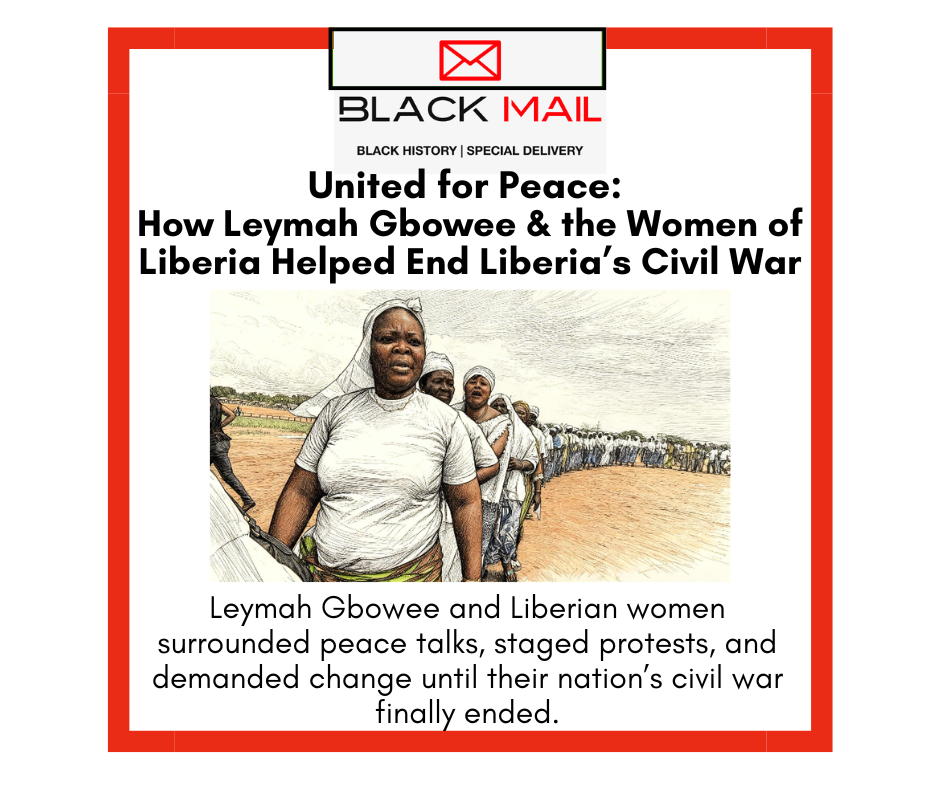
As a trained social worker, Gbowee worked with former child soldiers and saw firsthand how deeply war damages people and communities. Determined to do more, she helped organize the Women of Liberia Mass Action for Peace. Christian and Muslim women united across religious lines with one demand: end the war.
Their methods were bold and unconventional. The women held daily peaceful protests dressed in white as a visible sign of unity. An unconventional strategy they employed was encouraging women to withhold intimacy to spark conversation and draw attention to their cause. When peace talks stalled in Ghana in 2003, Gbowee and other women traveled there, surrounded the building, and physically blocked negotiators from leaving until progress was made. At one point, they threatened to disrobe, a powerful cultural act of protest in West Africa that signals moral outrage and public accountability.
Their persistence helped push negotiations forward. Later that year, Liberia’s second civil war came to an end.
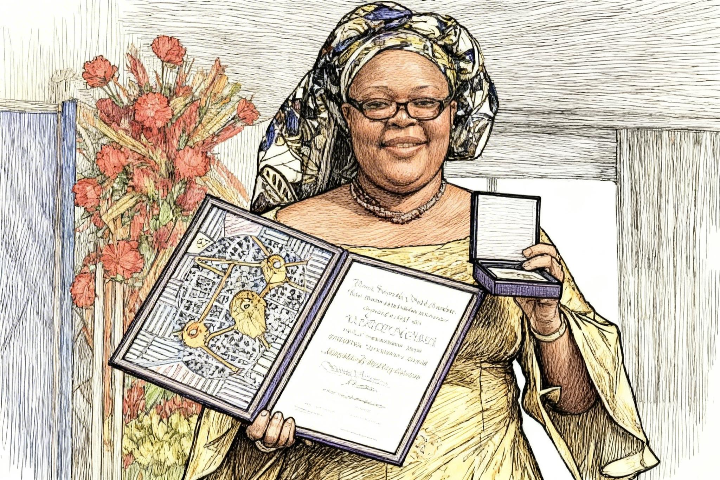
In 2011, Leymah Gbowee was awarded the Nobel Peace Prize for her leadership in the nonviolent movement that helped bring peace to her country.
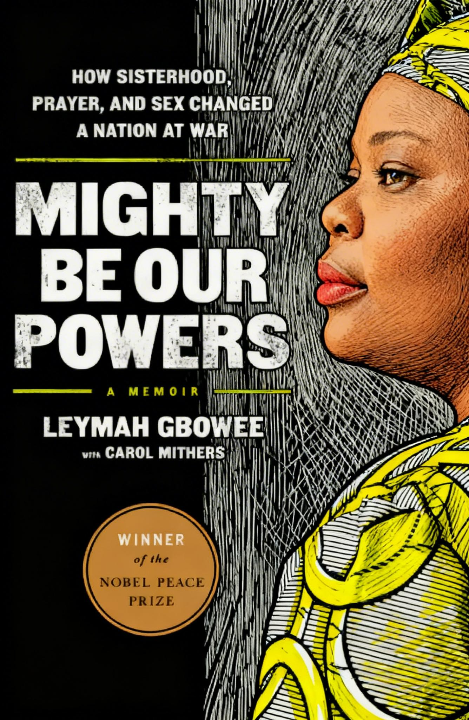
That same year, she published her memoir, Mighty Be Our Powers: How Sisterhood, Prayer, and Sex Changed a Nation at War. In it, she writes, “We were tired of war. Tired of running. Tired of begging for peace. We wanted our country back.”
Today, her work continues on a global scale. She serves as executive director of the Women, Peace, and Security Program at Columbia University’s Earth Institute. She is also a member of the UN Secretary-General’s High-Level Advisory Board on Mediation, the World Refugee Council, and the African Women Leaders Network. Through the Gbowee Peace Foundation Africa, she supports girls’ and young women’s education and leadership development.
Leymah Gbowee’s story reminds us that the pursuit of peace is not passive. It requires courage, unity, and sometimes unconventional strategies. Desperate times can call for unusual methods.
What would it look like in our own communities to move beyond simply stopping conflict and instead build conditions that protect dignity for all?
Another installment of Melanated Mail has been delivered. Ponder, reflect, and pass it on.
NobelPrize.org. (n.d.). Leymah Gbowee – Biographical. Nobel Prize. https://www.nobelprize.org/prizes/peace/2011/gbowee/biographical/
Encyclopædia Britannica. (2026, January 1). Leymah Gbowee. https://www.britannica.com/biography/Leymah-Gbowee
Gbowee Peace Foundation Africa. (n.d.). Our story. https://gboweepeaceafrica.org/our-story/