Black History: Special Delivery!
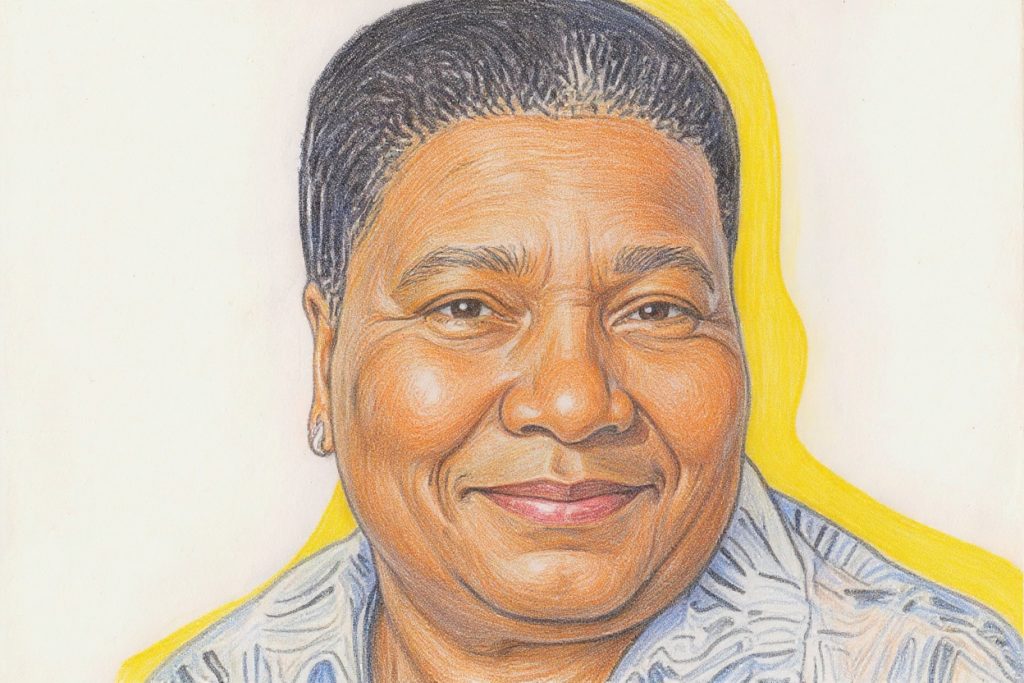
Hazel M. Johnson is widely known as the Mother of the Environmental Justice Movement. She did not set out to become a national leader. She became one out of necessity. After losing her husband to lung cancer and watching neighbors in her community suffer from alarming rates of illness, she began asking urgent questions. Why are so many people here sick? Why are hazardous facilities always placed in Black neighborhoods?
Those questions helped spark a national movement.
From Cancer Alley to Chicago
Hazel Mildred Washington was born on January 25, 1935, in New Orleans, Louisiana, along the Mississippi River corridor now widely known as Cancer Alley. This region has one of the highest concentrations of petrochemical plants in the United States and has long raised concerns about elevated cancer risks in predominantly Black communities.
Although the term Cancer Alley was not used during her childhood, Hazel’s early life was rooted in a region shaped by heavy industry and racial inequality. Her childhood was marked by profound loss. She was the only one of her four siblings to survive past infancy. By age twelve, both of her parents had died. She spent part of her youth living with relatives before returning to New Orleans.
As a young woman, she married John Johnson. In the mid 1950s, they moved to Chicago during the Great Migration in search of opportunity and stability.
Altgeld Gardens and Environmental Injustice
In 1962, the Johnson family moved into Altgeld Gardens, a public housing development on Chicago’s South Side. Residents later learned that the development had been built on and surrounded by landfills, industrial waste sites, sewage treatment plants, and factories. The neighborhood was eventually described as sitting inside a toxic doughnut because pollution encircled the community.
In 1969, John Johnson died of lung cancer at just 41 years old. Hazel began noticing similar illnesses among neighbors. Cancer, asthma, miscarriages, and chronic respiratory conditions were far too common. Even her own children experienced serious health challenges.
When she sought answers, officials often dismissed her concerns. Refusing to be silenced, she conducted door-to-door health surveys and educated herself about environmental hazards. Through her research and lived experience, she recognized that pollution was not randomly distributed. It was concentrated in low-income Black communities. She was confronting what we now understand as environmental racism.
Founding People for Community Recovery
In 1979, Hazel Johnson founded People for Community Recovery (PCR), a nonprofit grassroots organization focused on tenant rights, safe housing, and environmental justice.
Under her leadership, PCR fought to remove asbestos and toxic materials from public housing, advocated for clean water and proper sewage infrastructure, organized residents to oppose hazardous waste expansion, and pressured government agencies to address contamination and health risks.
Her leadership extended beyond Chicago. She became a national voice in the environmental justice movement and participated in the historic 1991 National People of Color Environmental Leadership Summit. Her advocacy helped lay the groundwork for Executive Order 12898, signed in 1994, which directed federal agencies to address environmental justice in minority and low-income communities.
A Living Legacy
Hazel M. Johnson passed away in 2011, but her work continues. People for Community Recovery remains an active nonprofit organization led by her daughter, Cheryl Johnson. The organization continues to fight for environmental equity, climate justice, housing rights, and youth leadership development.
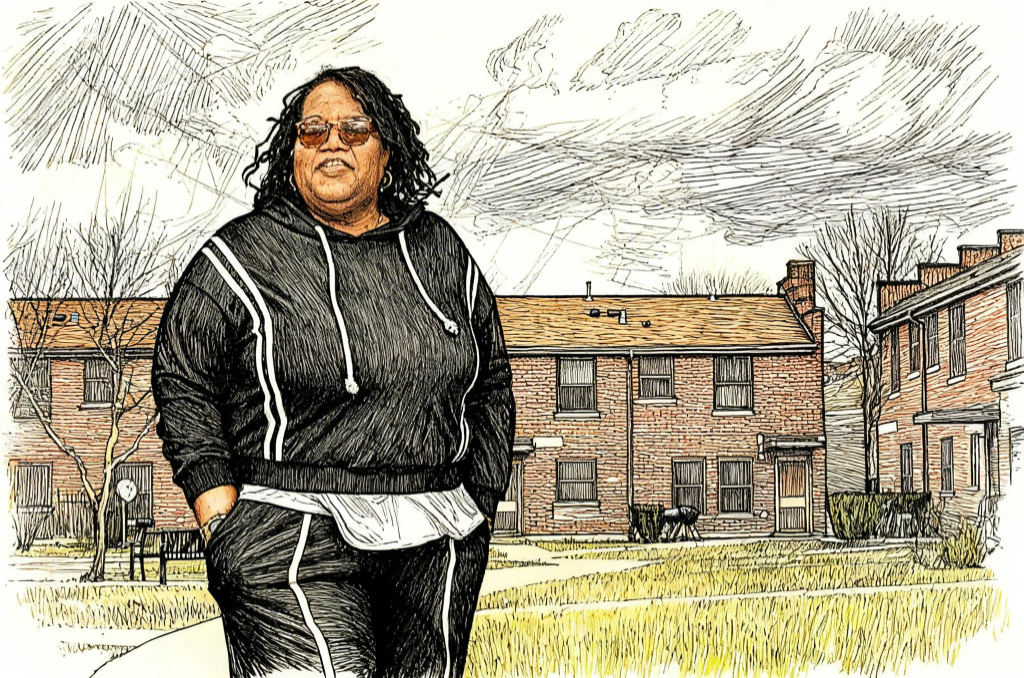
From Cancer Alley to Chicago’s South Side, Hazel Johnson’s life exposed a pattern that could no longer be ignored. As the Mother of Environmental Justice, she helped the nation understand that environmental protection is about people, neighborhoods, and the right to live in safe and healthy communities. Her life reminds us that environmental justice is civil rights work.
Another installment of Melanated Mail has been delivered. Ponder, reflect, and pass it on.
References:
People for Community Recovery. (n.d.). Our story: Hazel M. Johnson’s legacy. Retrieved February 15, 2026, from https://www.peopleforcommunityrecovery.org/our-story/legacy
Chicago Public Library. (2018, October 6). Hazel M. Johnson, “Mother of the Environmental Justice Movement”. https://www.chipublib.org/blogs/post/hazel-m-johnson-mother-of-the-environmental-justice-movement/
The Black Wall Street Times. (2025, March 7). Hazel M. Johnson: The trailblazing mother of environmental justice. https://theblackwallsttimes.com/2025/03/07/hazel-m-johnson-the-trailblazing-mother-of-environmental-justice/
U.S. Environmental Protection Agency. (n.d.). Environmental justice timeline. https://www.epa.gov/environmentaljustice/environmental-justice-timeline