Black History Special Delivery!
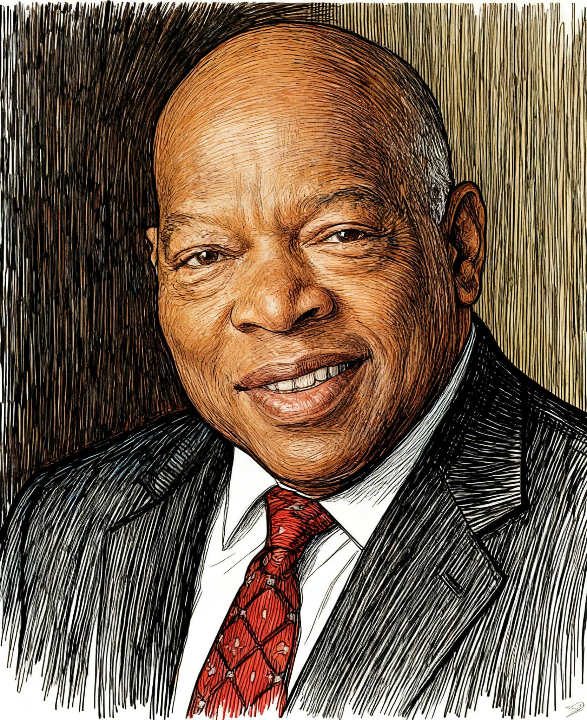
John Robert Lewis was born on February 21, 1940, near Troy, Alabama, to Willie Mae Carter Lewis and Eddie Lewis, sharecroppers who later purchased their own land. He was the third of ten children and grew up attending segregated public schools in Pike County during the Jim Crow era.
Faith shaped his early life. As a child, Lewis felt called to ministry and would practice preaching sermons to the chickens on his family’s farm, gathering them as his congregation. What may have seemed playful at the time helped him develop confidence and a sense of purpose long before he stood before national audiences.
As a teenager, he closely followed the Montgomery Bus Boycott and listened to Dr. Martin Luther King Jr.’s sermons on the radio. He later attended the American Baptist Theological Seminary in Nashville, preparing for ministry, and earned a degree in religion and philosophy from Fisk University. It was in Nashville that his commitment to nonviolent protest took root.
He married Lillian Miles Lewis in 1968. They were married for 44 years until her passing on December 31, 2012, which was also the same day they first met back in 1967 at a New Year’s Eve Party. They had one son, John-Miles Lewis.
Here are five things you may not know about his life and work:
He Once Tried to Integrate an All-White College
As a teenager, Lewis applied to Troy State College (now Troy University), which did not admit Black students at the time.
He was denied admission. Dr. Martin Luther King Jr. even offered to support a lawsuit on his behalf. Lewis ultimately decided not to pursue legal action, concerned about potential retaliation against his family. Instead, he left Alabama for Nashville, a decision that placed him at the center of the emerging Civil Rights Movement.
He Helped Desegregate Nashville Before Age 21
While still a college student, Lewis became a key leader in the 1960 Nashville sit-ins, which successfully desegregated downtown Nashville lunch counters.
The Nashville movement became a model for disciplined, nonviolent protest across the South. Participants underwent training to prepare for harassment and violence, preparation that shaped Lewis’s lifelong commitment to nonviolence.
He Refused to Let the Freedom Rides End
In 1961, after earlier Freedom Riders were brutally attacked in Alabama, many believed the campaign would collapse.
Lewis insisted the rides continue.
He was beaten at a bus station in Rock Hill, South Carolina, and later jailed in Mississippi. Rather than pay bail, he chose to remain in jail, a tactic meant to challenge unjust laws without cooperating with them.
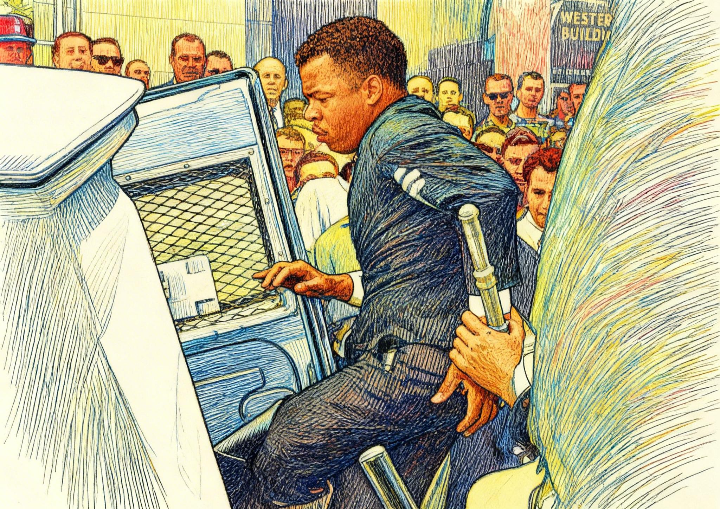
He Helped Register Millions of Black Voters After the Cameras Left
From 1967 to 1977, Lewis directed the Voter Education Project, helping register millions of Black voters across the South.
This work received far less media attention than marches and protests, but it reshaped Southern politics in lasting ways. It demonstrated his belief that lasting change required organization, patience, and institutional engagement.
He Chose to Tell the Movement’s Story Through a Graphic Novel
Late in life, Lewis co-authored the graphic novel trilogy March, recounting the Civil Rights Movement in a format designed for younger readers.
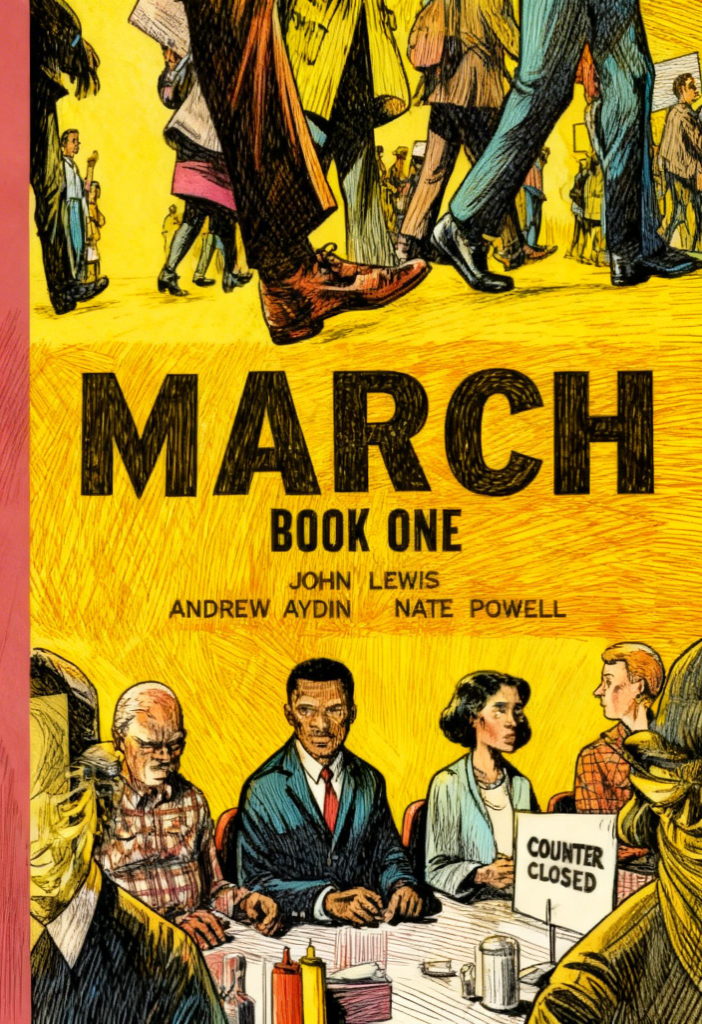
The series won the National Book Award and became widely used in classrooms. Lewis believed the story of the movement belonged to the next generation, and he wanted it told in a way they could see themselves in it.
John Lewis went on to serve 33 years in Congress, representing Georgia’s 5th District from 1987 until 2020. In December 2019, he announced he had been diagnosed with Stage IV pancreatic cancer. Even during treatment, he continued urging Americans to protect voting rights and democratic participation.
He died on July 17, 2020, at age 80.
Often remembered for his brutal beating and skull fracture in 1965 during “Bloody Sunday,” Lewis’s entire life was marked by service and sustained activism. The attack on the Edmund Pettus Bridge became one of the most visible symbols of the Civil Rights Movement, but it was only one chapter in a much longer story.
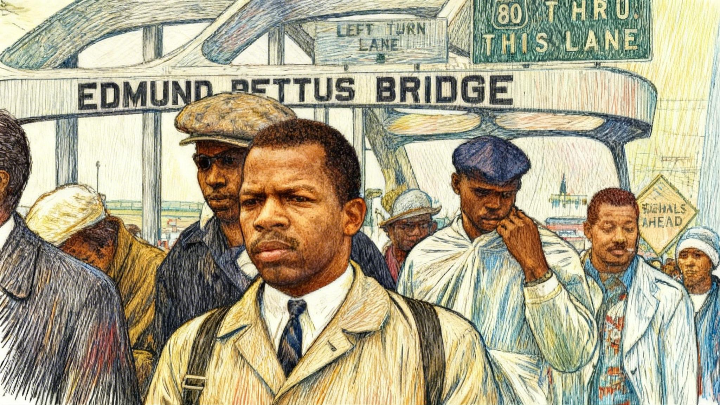
Lewis was well known for challenging people to get into “good trouble, necessary trouble.”
What good and necessary trouble are you getting into these days? Let us know in the comments.
Another installment of Melanated Mail has been delivered. Ponder, reflect, and pass it on.