Formed to center Black women artists in the 1970s.
Black History: Special Delivery!

In 1971, a group of Black women artists in New York City came together around a shared reality: they were being excluded from mainstream art institutions and from male-dominated Black arts movements. They called themselves Where We At: Black Women Artists.
This space provided visibility and community at a time when Black women artists were routinely overlooked.
The Struggle To Find Consistent Exhibition Opportunities
During the height of the Black Power and feminist movements, Black women artists still struggled to find consistent exhibition opportunities. Museums and galleries rarely showed their work, and even Black cultural spaces often centered men.
Where We At was formed to address this gap directly. Rather than waiting for inclusion, members created their own platforms, organizing exhibitions, teaching in the community, and supporting one another’s artistic practice.
Their shared commitments included:
- Centering Black women’s experiences and perspectives
- Creating opportunities for exhibition and visibility
- Using art as a form of community engagement and reflection
Founding & Key Artists
Faith Ringgold (1930–2024)
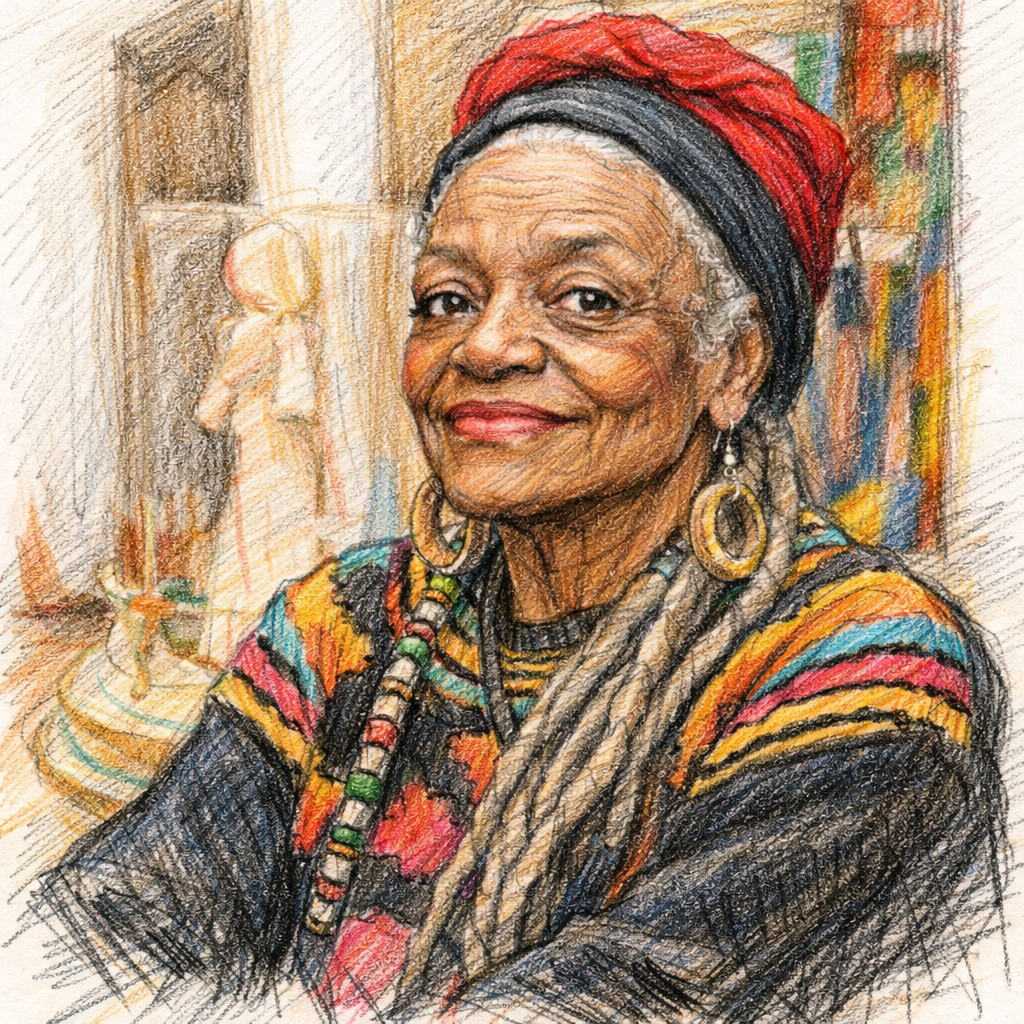
Faith Ringgold was one of the most influential American artists of her generation. Her story quilts combined painting, fabric, and narrative to explore Black life, womanhood, resistance, and memory.
Where to view her work:
Official artist website: https://faithringgold.com/
Museum of Modern Art collection: https://www.moma.org/artists/7066
National Gallery of Art works: https://www.nga.gov/artists/37893-faith-ringgold.html
Dindga McCannon (born 1947)
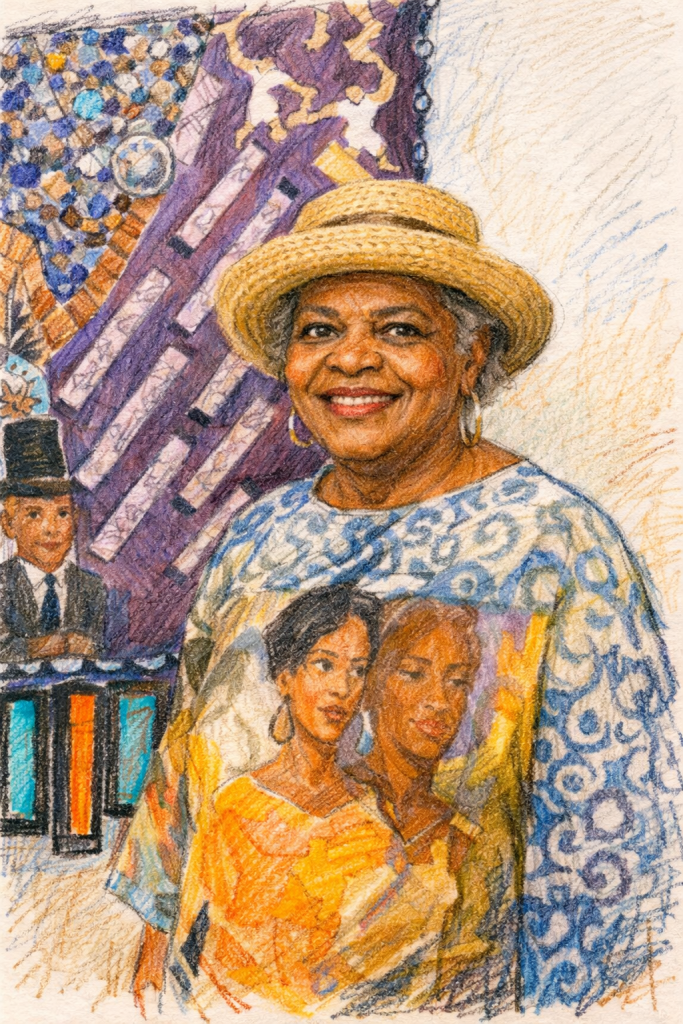
Dindga McCannon is a multidisciplinary artist whose work blends textiles, beadwork, painting, and African symbolism. She remains a foundational figure in Black feminist art.
Where to view her work:
Artist website: http://dindgamccannon.world/
Smithsonian NMAAHC collection: https://nmaahc.si.edu/explore/stories/collection/dindga-mccannon
Brooklyn Museum profile:
https://www.brooklynmuseum.org/eascfa/feminist_art_base/gallery/dindga_mccannon
Kay Brown

Kay Brown was a painter and educator whose work focused on Black family life, community, and everyday experience. She played a key role in Where We At, though her work is less widely digitized today.
Where to learn about her work:
Museum and exhibition catalogs (such as We Wanted a Revolution) remain the primary sources for viewing her work.
The limited online presence of her artwork reflects broader archival gaps faced by many Black women artists of her generation.
Charlotte Ka
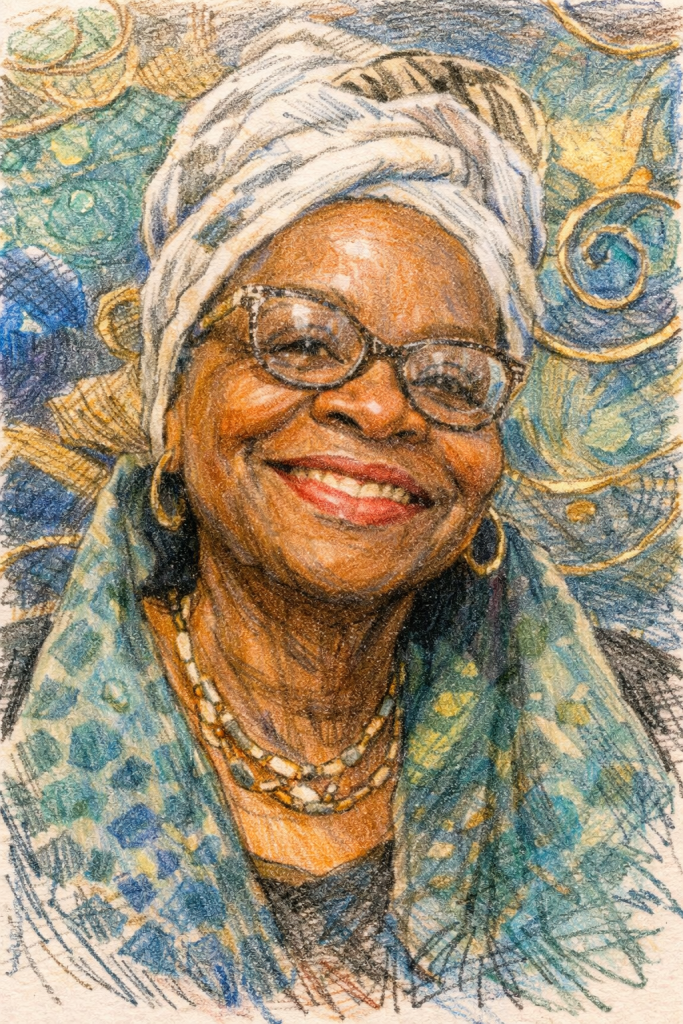
Charlotte Ka explored themes of identity, womanhood, and social conditions affecting Black communities. Like several members of Where We At, her work is primarily preserved through collective histories and exhibition records, rather than a standalone website.
Where to find references to her work:
Her legacy is carried through archives, oral histories, and group exhibitions rather than individual online portfolios.
Lorraine O’Grady
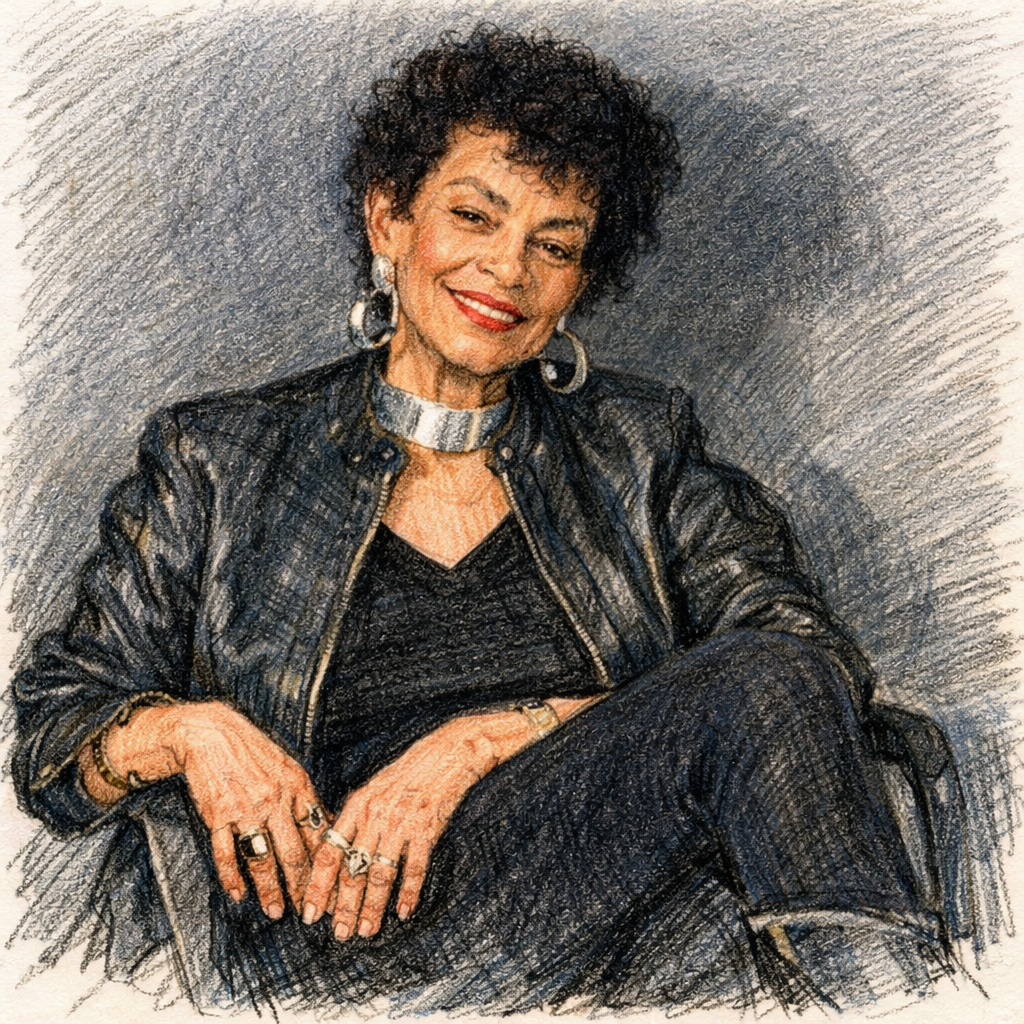
Although sometimes described as adjacent to Where We At, Lorraine O’Grady shared the collective’s political commitments. Her conceptual and performance work reshaped how Black women could occupy space in contemporary art.
Where to view her work:
- Official artist website: https://lorraineogrady.com/
- Tate Museum profile:
https://www.tate.org.uk/art/artists/lorraine-ogrady-19999 - Studio Museum in Harlem:
https://www.studiomuseum.org/artists/lorraine-ogrady
Did Where We At Disband?
Yes, the collective eventually came to a close, though not through a formal or announced end.
Where We At: Black Women Artists was most active in the early to mid-1970s. By the late 1970s, the group naturally dissolved as members pursued individual artistic careers, teaching roles, and other forms of cultural work.
There was no final exhibition or public statement marking the end. Like many movement-based collectives, Where We At existed to meet a specific historical moment, and shifted as that moment evolved
While Where We At itself ended, its influence continues through later and contemporary collectives that center Black artists, particularly Black women.
Examples include:
- Just Above Midtown (JAM), founded in 1974 by Linda Goode Bryant
- Black Women Artists for Black Lives Matter (BWABLM)
- Contemporary Black women–led art networks and curatorial initiatives rooted in visibility and mutual support
These groups differ in form but share a lineage rooted in early collectives such as Where We At.
Impact & Influence
These artists were trailblazers, and their individual and collective influence continues to inspire and motivate present-day artists.
Where Are They Now?
- Dindga McCannon remains an active and honored artist.
- Faith Ringgold and Lorraine O’Grady passed away in 2024, leaving lasting legacies.
- Charlotte Ka is still alive an making art.
- Kay Brown passed away in 2012
Another installment of Melanated Mail has been delivered. Ponder, reflect, and pass it on.