


Explore ten lesser-known facts about her legacy of service, leadership, and philanthropy.
Black History: Special Delivery!
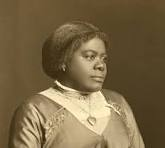
Mary McLeod Bethune (1875–1955)
Mary McLeod Bethune (1875–1955) was a nationally respected educator, school founder, humanitarian, philanthropist, and advocate for racial equity whose leadership shaped educational access and civic engagement in the United States. During her lifetime, she was widely referred to as the “First Lady of Negro America,” an honorific used by Black press and community leaders to acknowledge her national influence and impact. Within Black communities, she was also known as “Mama Bethune,” a name rooted in respect and recognition of her leadership, mentorship, and care for others.
Bethune’s acumen was multifaceted, spanning education, entrepreneurship, and philanthropy. Her early philanthropic efforts were largely self-funded, grounded in her ability to build relationships and trust. She didn’t have much. But she never gave up.
As a woman of faith, she lived out her calling to serve through her philanthropic and educational pursuits. Honoring her as the First Lady of Black Philanthropy recognizes not only what she built, but how she served, with intention, sacrifice, and an unwavering commitment to others. Here are ten lesser-known facts that help tell that story.
10 Lesser-Known Facts About Mary McLeod Bethune
1. The Only One in Her Family to Attend School
Born in South Carolina to formerly enslaved parents, Bethune was the 15th of 17 children and the only child in her family to receive formal schooling, entering school around age 10. In 1896, she began her teaching career at the Haines Normal and Industrial Institute in Augusta, Georgia, founded by Lucy Craft Laney, whose mentorship influenced Bethune’s belief that educating Black girls and women could improve conditions for entire communities.
2. Born With a Caul and a Sense of Purpose
Bethune was born with a caul, meaning part of the amniotic sac covered her face at birth. In Black/African folk tradition, this was believed to signify special vision or destiny, a belief Bethune herself embraced.
3. She Refused to Be Intimidated
In the early 20th century, Bethune faced intimidation from the Ku Klux Klan in Daytona Beach because of her educational and civic work. When Klansmen attempted to intimidate her school, she confronted the intimidation and refused to back down. Afterward, she continued teaching and organizing, including helping Black residents prepare for literacy tests used to block them from voting.
4. She Built Classrooms From What Others Discarded
With very little money, Bethune and her students gathered crates, boxes, and other discarded materials to create desks, benches, and classroom furniture, refusing to let a lack of resources halt learning.
5. She Navigated Marriage, Separation, and Single Motherhood
Mary McLeod married Albertus Bethune, a former school teacher, in 1898. They stayed together for 6 years, but Albertus was unable to find work in Florida, so he returned to his family’s home in South Carolina. He died of tuberculosis in 1919. They remained legally married until the time of his passing.
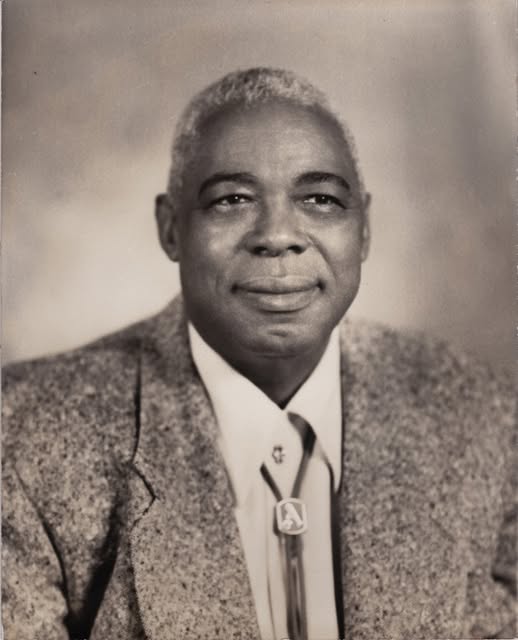
Albert McLeod Bethune was the only child of Mary McLeod Bethune, who lived a long and fulfilling life as both a businessman and community leader in Daytona Beach, Florida. He lived there until his death in 1989 at the age of 90.
6. She Funded Her School Through Baking
When funds were scarce in the early years of her school, Bethune raised money through grassroots efforts, including baking sweet potato pies and making ice cream. These efforts helped pay for rent, books, food, and supplies, and kept the school operating. Click here for her sweet potato pie recipe.
Bethune founded the school in 1904 with $1.50 and five students, one of whom was her son. Through community support and relentless fundraising, the school grew to nearly 250 students in its early years.
7. Her School Was Strategically Located Near Railroad Tracks
Bethune chose Daytona Beach intentionally. The nearby railroad brought visibility and opportunity, which she leveraged to help sustain and grow the school.
8. She Helped Advance the Recognition and Study of Black History
Bethune was an active supporter of historian Carter G. Woodson and his efforts to formalize the study of Black history. She was an engaged member of the Association for the Study of Negro Life and History (ASNLH) and later served as its president in 1936, helping advance the recognition and study of Black history nationally.
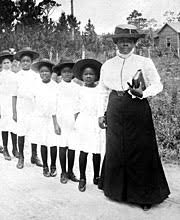
9. She Advised Presidents and Shaped Policy
Mary McLeod Bethune served in formal and informal advisory roles under four U.S. presidents, most notably as Director of the Division of Negro Affairs within the National Youth Administration. Through these roles, she advocated for education, employment, and expanded opportunities for Black youth at the federal level.
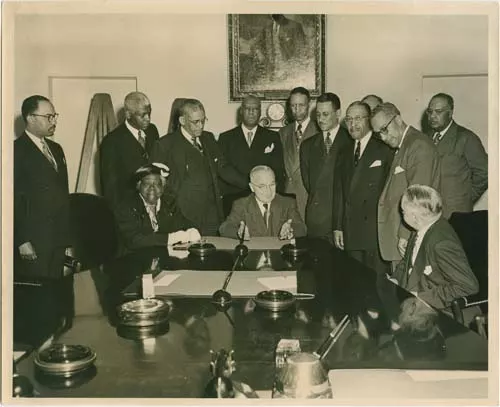
10. Mama Bethune Did Not Play
Known for being direct and uncompromising about respect, she once responded to being addressed as “auntie” by asking, “Which one of my brothers’ children are you?” This story captures Mama Bethune’s essence. She commanded respect and corrected anyone who tried to offer her anything less.
A Life Well Lived
Mama Bethune represents the indomitable spirit of difference makers who used what they had and did what they could, quietly and sometimes not so quietly, building legacies that reshaped communities and futures. In her Last Will and Testament, she reflected, “If I have a legacy to leave my people, it is my philosophy of living and serving. As I face tomorrow, I am content, for I think I have spent my life well.”
Well done, Mama Bethune. Well done.
Another installment of melanated mail has been delivered. Ponder, reflect, and pass it on.



3 comments
Barbara Welch
Enid,
I truly enjoyed learning more about the incomparable Mary McLeod Bethune. Thanks for sharing and Happy Black History Month.
BlackMail4u
Thank you for checking out the post! She is truly a remarkable woman in so many ways. Taking a deeper dive into her life was inspiring!
BlackMail4u
This is Enid. 🙂 I made the post through my Black History Blog. Blackmail4u.com