Black History: Special Delivery!
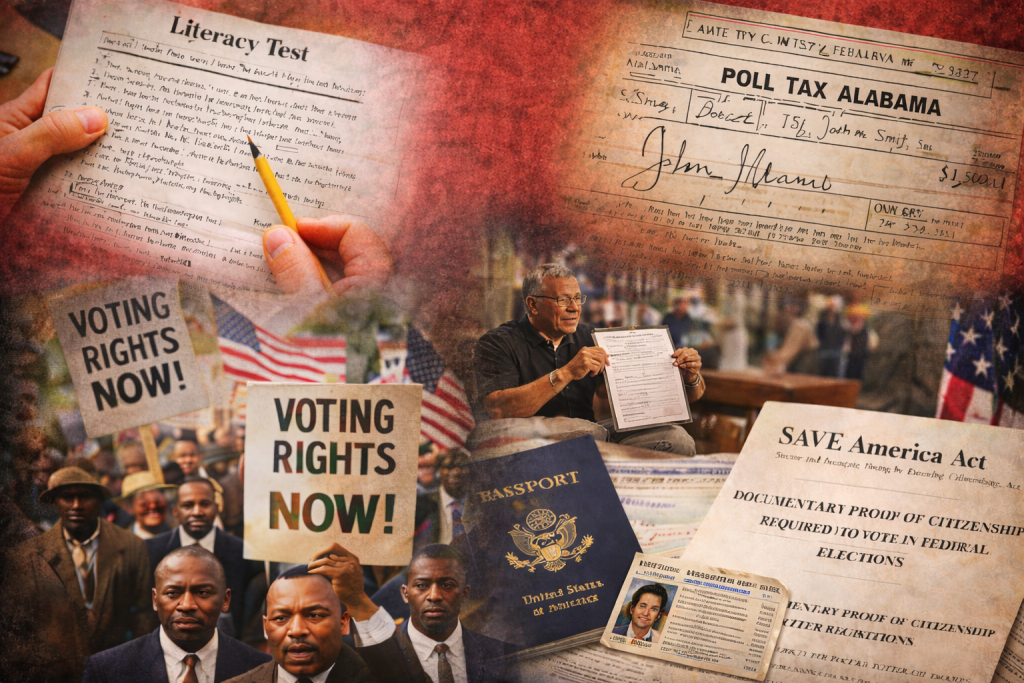
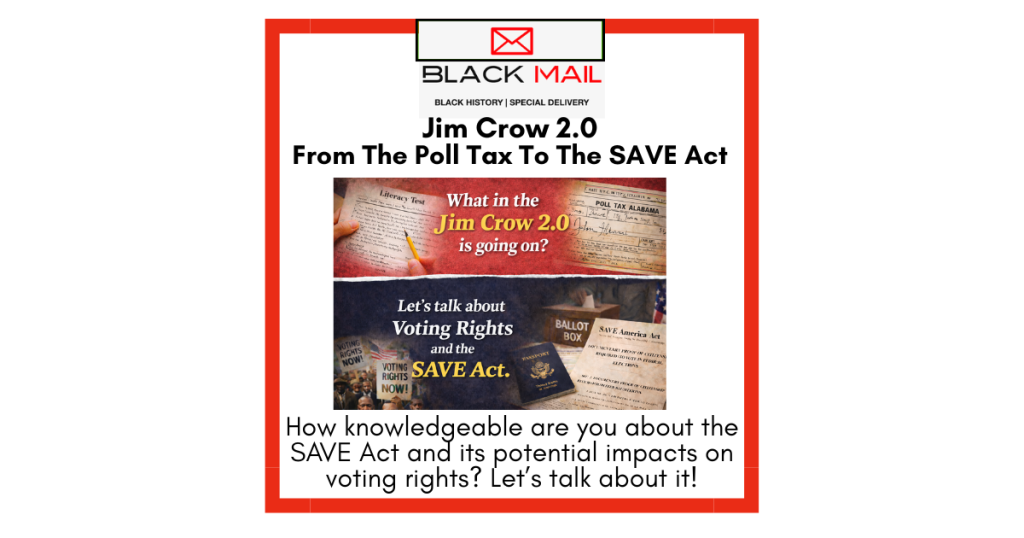
When Reconstruction ended in 1876, the constitutional promise of Black voting rights quickly eroded. The 15th Amendment prohibited denying the vote based on race, so Southern states engineered ways around it. Poll taxes. Literacy tests. Grandfather clauses. Complex registration requirements. Intimidation. These measures were legal at the time, race-neutral on paper, and devastating in impact. For nearly a century, they effectively shut most Black Americans out of the political process.
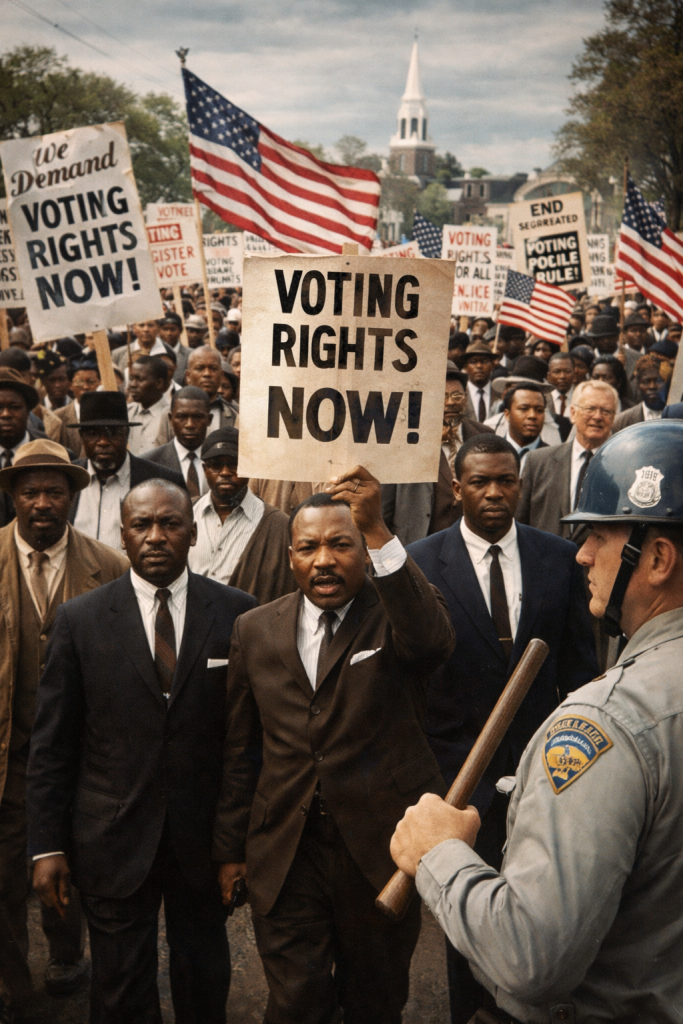
The Voting Rights Act of 1965 changed that trajectory. Within four years of its passage, Black voter registration in the South surged from 35% to 65%. The law worked because it didn’t just prohibit discrimination on paper; it dismantled systems that produced it.
In 2013, the Supreme Court weakened the Voting Rights Act, allowing states to implement new voting laws without prior federal oversight. In the years that followed, stricter voter ID requirements, polling place closures, and voter roll purges expanded across several states, often defended as election integrity measures.
Now, the SAVE America Act enters the debate. The bill would require documentary proof of U.S. citizenship, such as a passport or birth certificate, to register to vote in federal elections. Supporters argue it protects against noncitizen voting. But the critical question is whether the problem it seeks to solve is widespread enough to justify the barrier it creates.
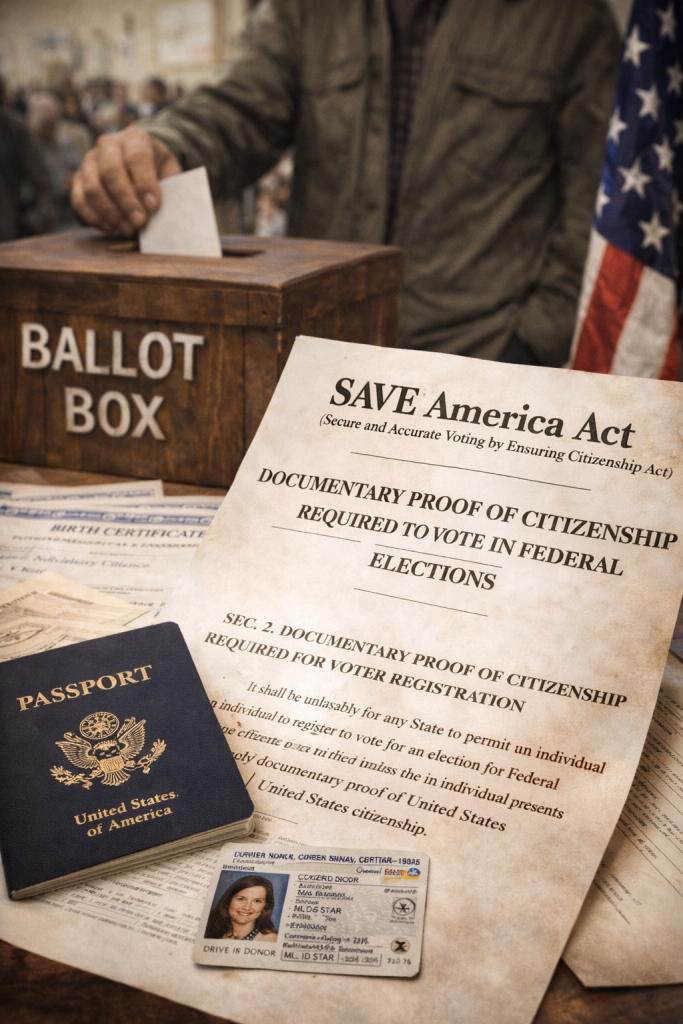
Multiple investigations by bipartisan state officials have found noncitizen voting to be extremely rare. Reviews of federal elections have uncovered isolated cases, but no substantial evidence that noncitizen voting has occurred at levels capable of altering national outcomes. There is no significant body of evidence showing that widespread noncitizen voting has impacted federal elections.
The SAVE Act is presented as race-neutral in its text. It does not reference race or ethnicity, and it frames its purpose as safeguarding election integrity. However, it is emerging amid a broader political climate in which immigration is frequently discussed in connection with crime, border threats, and national security.
Repeated messaging that emphasizes immigrants as violent or unlawful, despite research showing immigrants commit crimes at lower rates than native-born citizens, can heighten public fear and blur distinctions between noncitizens, lawful immigrants, and U.S. citizens. In that context, policies targeting “noncitizen voting,” even when evidence shows it is rare, may reinforce a narrative that immigrants pose a systemic threat to democratic systems. Laws do not operate in isolation; they operate within a social and political environment that shapes how they are understood and whom or what they are perceived to target.
The impact of the SAVE Act, if adopted, would be substantial. An estimated 21 million American citizens do not have ready access to a passport or birth certificate. Many voters, including seniors, low-income Americans, and individuals whose legal names differ from their birth certificates, could face new administrative hurdles. Civil-rights organizations argue that these burdens would likely fall disproportionately on Black, Latino, and low-income communities, who are statistically less likely to possess the required documents and more likely to rely on mail or online registration. While race is not mentioned in the bill, critics warn that its practical effect could create unequal barriers to participation.
History offers a caution. Voter suppression in America has often operated through lawful administrative rules rather than explicit racial bans. The absence of racial language does not guarantee equal impact. Safeguarding election integrity is a legitimate government interest, and so is protecting equal access to the ballot. The SAVE Act may not resemble poll taxes or literacy tests in design.
When a solution risks affecting millions of eligible voters while addressing a problem shown to be rare, we have to ask ourselves, “What’s really going on?”
Another installment of Melanated Mail has been delivered. Ponder, reflect, and pass it on.